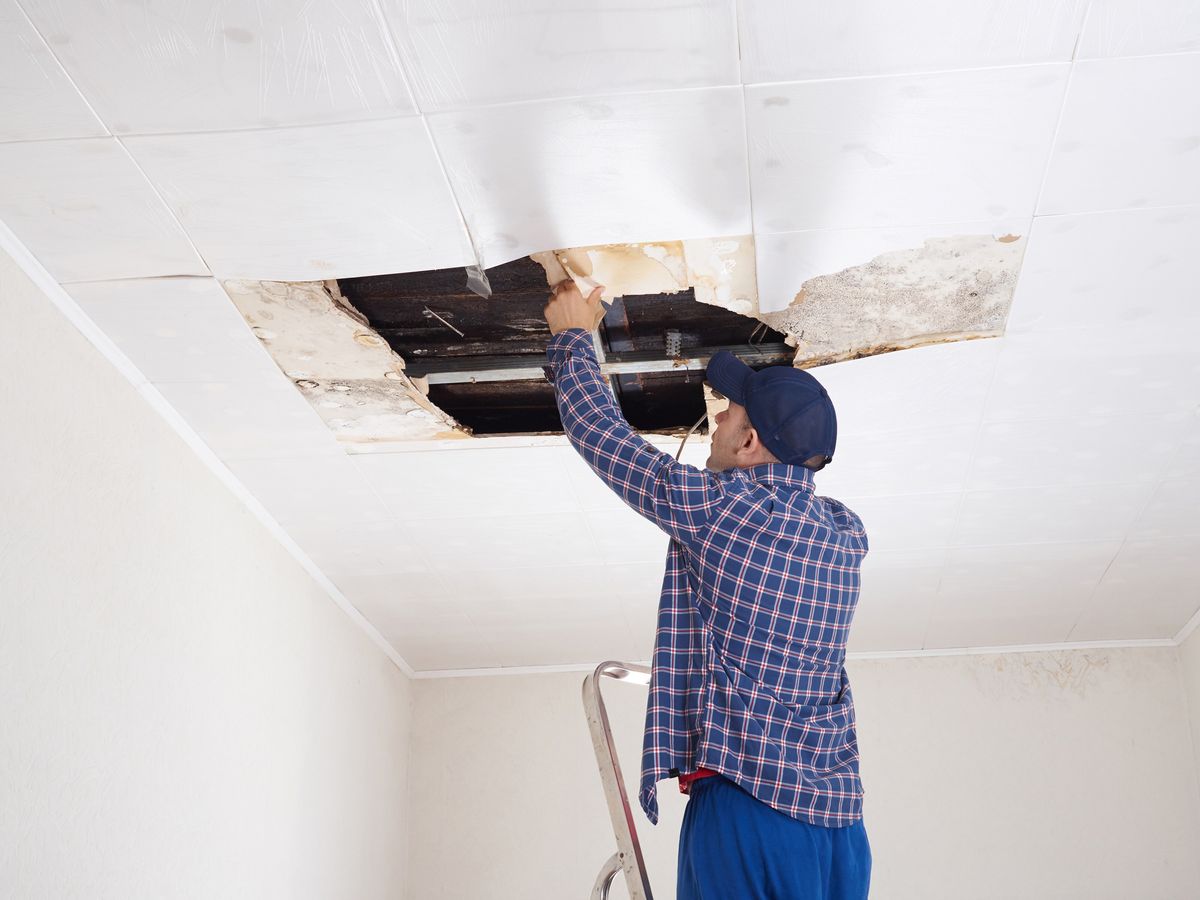
When a roof springs a leak, it's easy to focus on the immediate problem: the water spot on your ceiling or the drip in your attic. However, understanding the journey water takes after penetrating your roof is crucial for effective roof damage repair and preventing further structural issues. Let's explore the anatomy of a leak and trace the path of water infiltration.
The Entry Point: Initial Roof Breach
The initial point of entry is where the damage begins. This could be a cracked or missing shingle, damaged flashing around chimneys or vents, or even a small puncture from debris. Identifying these breaches early is crucial in preventing more extensive damage. Neglecting these issues can quickly turn into a need for urgent roof leak repair.
The Underlayment: Your Roof's Second Line of Defense
Beneath your shingles lies the underlayment, a water-resistant barrier designed to protect your roof deck. If the primary roofing material is compromised, the underlayment is your second line of defense. However, underlayment can degrade over time or be improperly installed, allowing water to seep through to the decking below. A compromised underlayment will definitely require a roof restoration.
The Roof Deck: Structural Damage
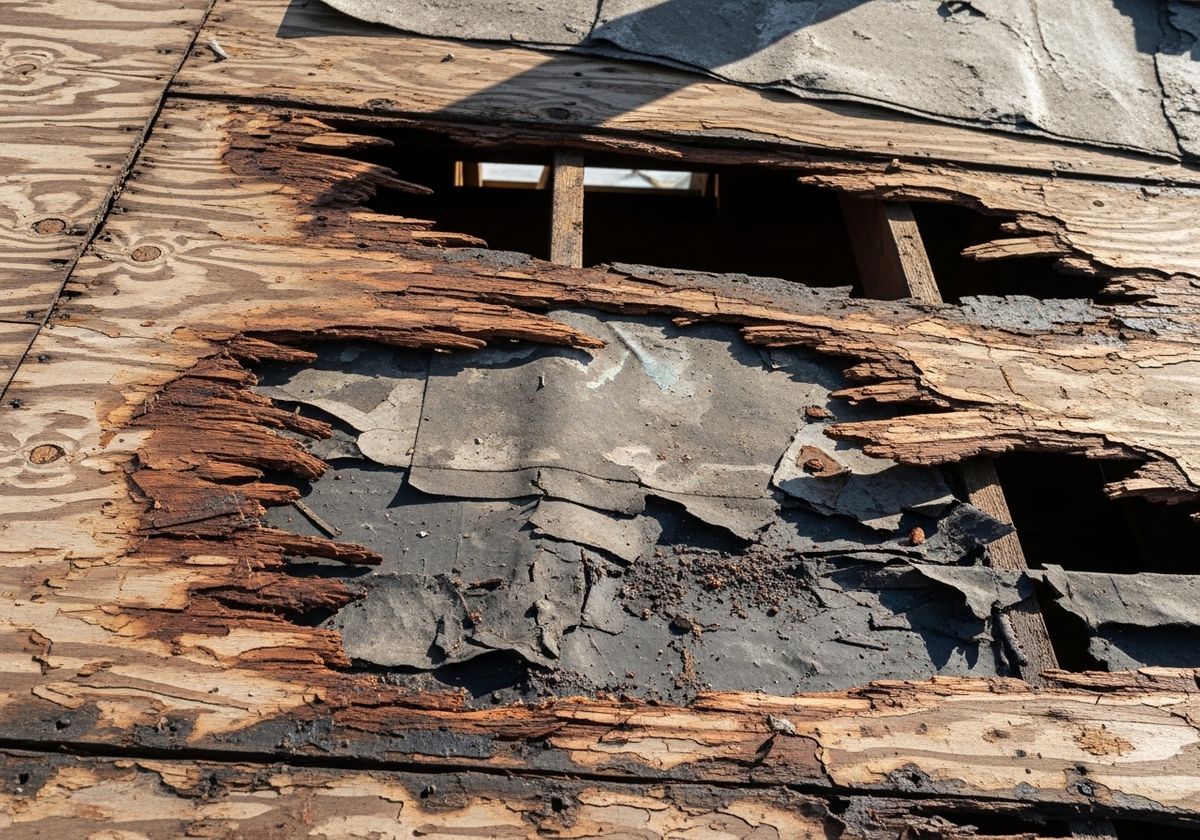
Once water penetrates the underlayment, it reaches the roof deck, typically made of plywood or OSB. Prolonged exposure to moisture can cause the decking to rot, weaken, and even delaminate. This structural damage can compromise the integrity of your entire roof system, leading to costly repairs.
The Attic: A Hidden World of Water Damage
From the roof deck, water often finds its way into the attic. Here, it can damage insulation, leading to reduced energy efficiency and potential mold growth. Wet insulation loses its R-value, making it harder to regulate your home's temperature and increasing your energy bills. Mold growth can also pose serious health risks to your family.
Interior Walls and Ceilings: Visible Signs of a Leak
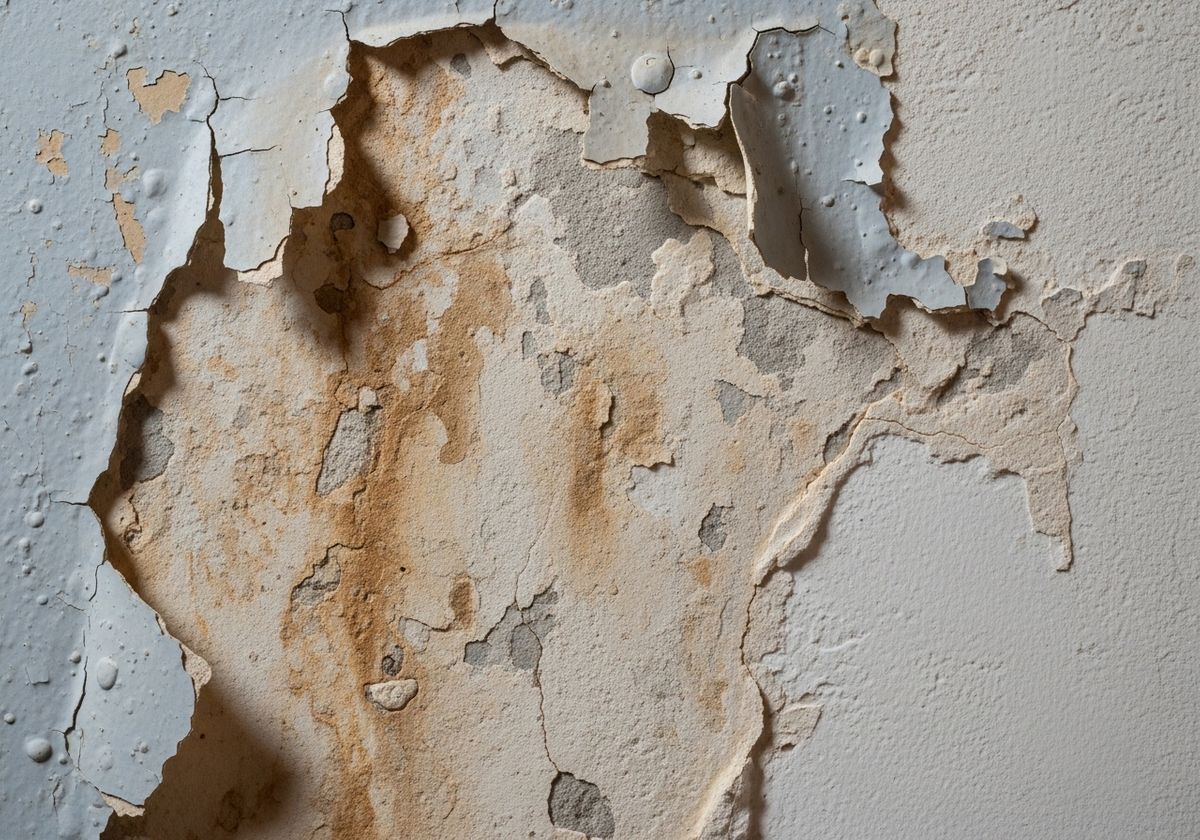
Eventually, water migrates down interior walls and ceilings, causing unsightly stains, peeling paint, and bubbling drywall. These visible signs are often the first indication of a roof leak, but by this point, significant damage may have already occurred.
Electrical Systems: A Dangerous Threat
In some cases, water can come into contact with electrical wiring or fixtures. This creates a dangerous situation that could lead to short circuits, electrical fires, or even electrocution. If you suspect water has come into contact with your electrical system, turn off the power immediately and call a qualified electrician.
Understanding the path water takes after penetrating your roof is essential for effective maintenance and timely repairs. Addressing leaks early can prevent extensive damage to your roof structure, attic, and interior living spaces. At GH Roofing Corp, we understand the complexities of roof leak repair and offer comprehensive solutions to protect your home. With our commitment to Exceptional Roofing Every Time, our team provides thorough inspections and effective repair strategies to address any roofing issue. If you suspect a leak, don't wait! Contact us today for a professional assessment and discover how we can help maintain the integrity of your roof.