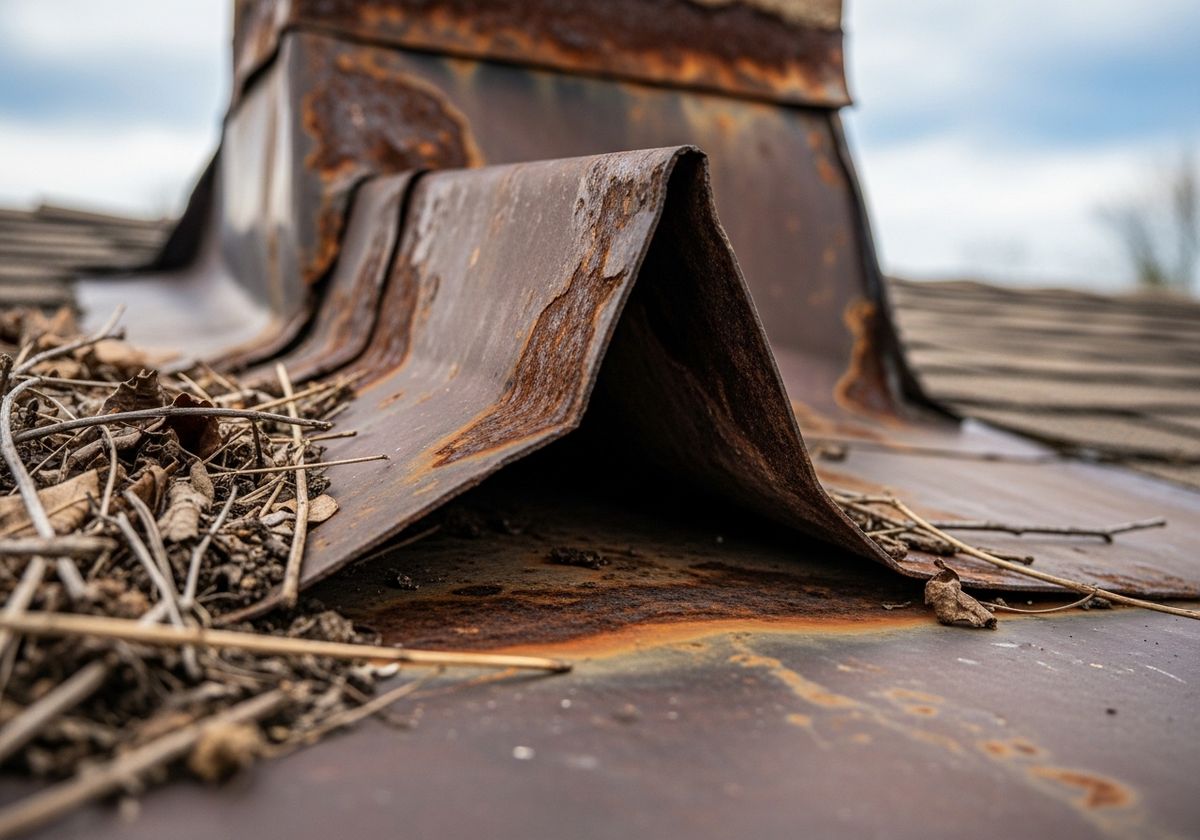
Roof flashing, often an unsung hero of your roofing system, plays a pivotal role in preventing water intrusion and maintaining the structural integrity of your home. This thin material, usually made of metal, is installed around roof protrusions and in valleys to direct water away from vulnerable areas. However, when flashing fails, it can lead to significant roof damage repair needs. Understanding the common causes of flashing failure is crucial for homeowners to proactively maintain their roofs and avoid costly repairs.
Improper Installation
One of the most frequent reasons for flashing failure is incorrect installation. If the flashing isn't properly sealed, overlapped, or attached, it can create pathways for water to seep into your roof structure. Hiring experienced and qualified roofing professionals is essential to ensure that flashing is installed correctly from the start.
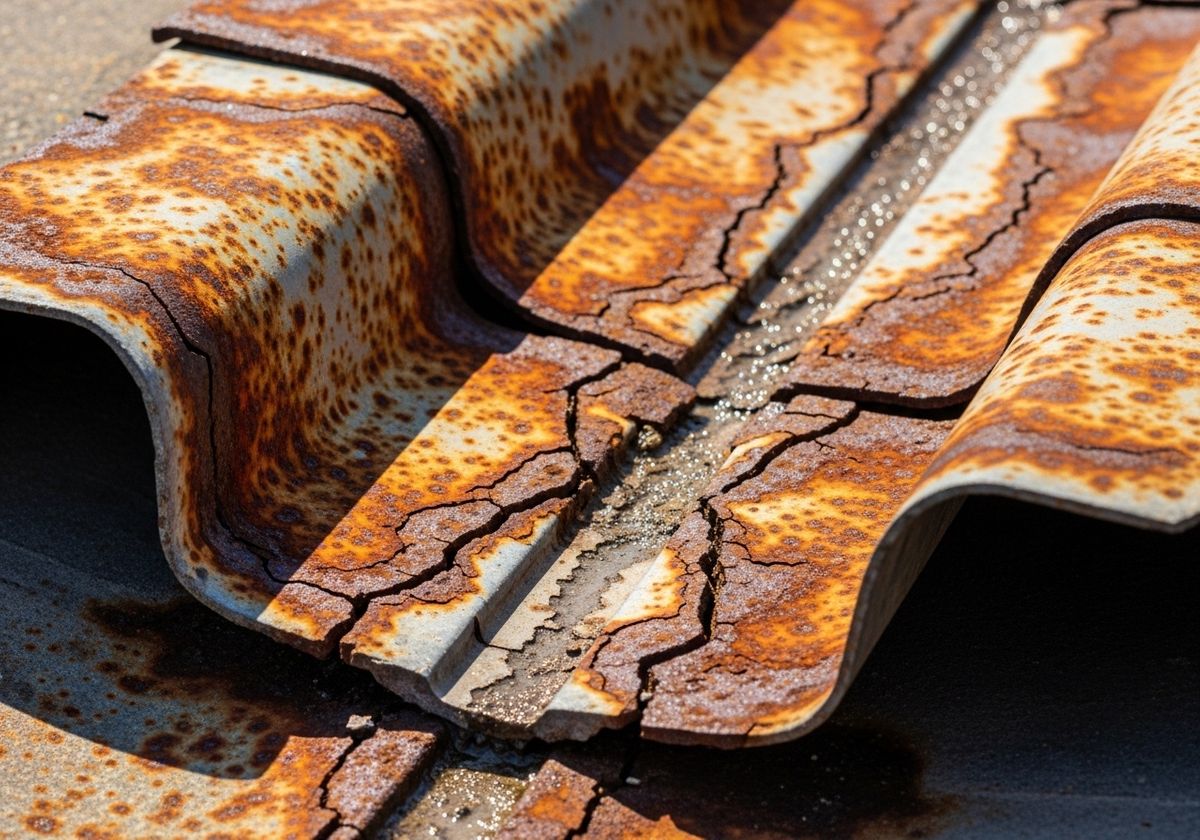
Material Degradation
Like all roofing materials, flashing is subject to wear and tear over time. Exposure to the elements, including sun, rain, and temperature fluctuations, can cause the flashing to corrode, rust, or crack. Regular inspections can help identify material degradation early on, allowing for timely repairs or replacements.
Shifting or Settling
As your home ages, the structure may shift or settle, which can put stress on the flashing. This movement can cause the flashing to become loose, bent, or detached, compromising its ability to protect against water intrusion. Addressing any underlying structural issues and ensuring the flashing is properly secured can help prevent problems caused by shifting or settling.
Damage from Storms and Debris
Severe weather events, such as high winds, hail, and heavy rain, can directly damage flashing. Additionally, falling branches, leaves, and other debris can accumulate around flashing, trapping moisture and accelerating corrosion. Keeping your roof clear of debris and promptly addressing any storm damage can help prolong the life of your flashing.
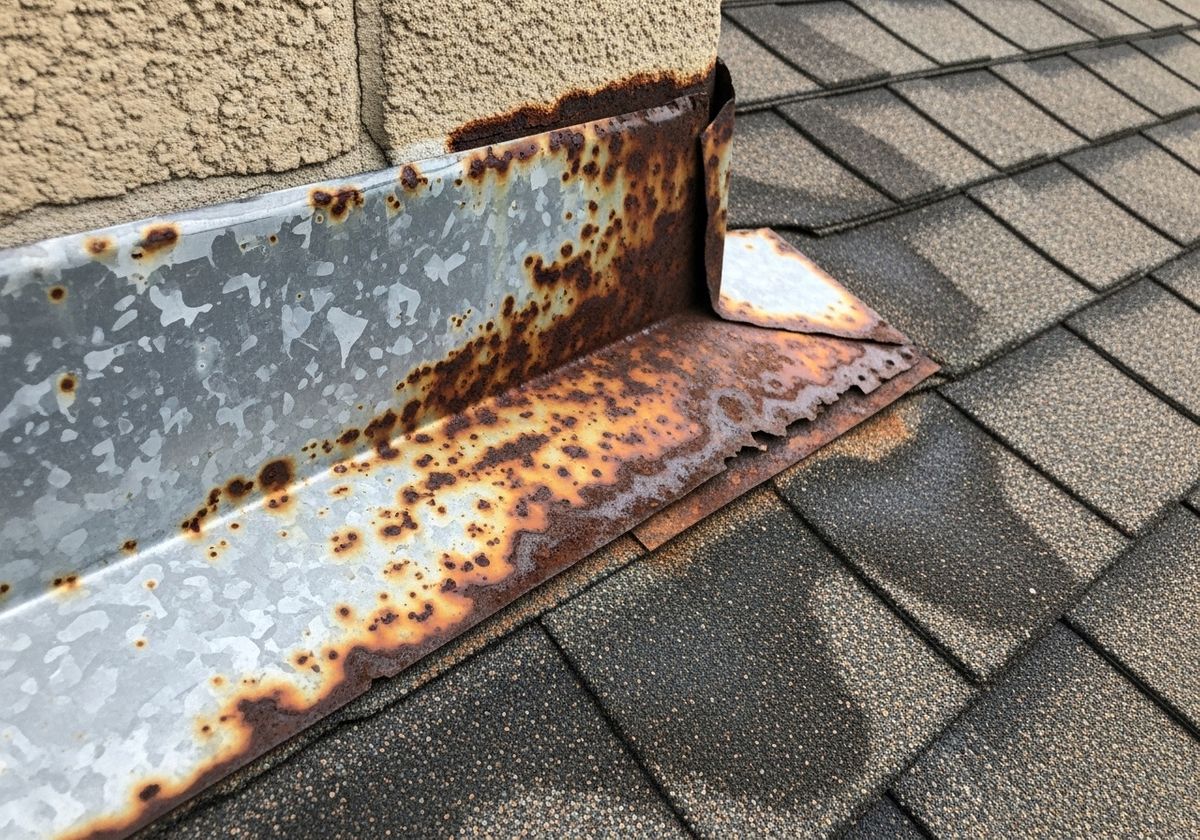
Choosing the Wrong Materials
Using incompatible or low-quality flashing materials can also contribute to premature failure. It's important to select flashing materials that are durable, corrosion-resistant, and suitable for your specific roofing type and climate. Consulting with a roofing expert can help you choose the right materials for your needs.
Protecting your roof from water damage starts with understanding the critical role of flashing and addressing potential issues promptly. By being aware of the common causes of flashing failure and taking proactive measures, you can extend the life of your roof and avoid costly repairs. At GH Roofing Corp, we understand the importance of properly installed and maintained flashing for a long-lasting, leak-free roof. If you suspect any issues with your roof or flashing, don't hesitate to contact us for a comprehensive inspection and reliable roof damage repair services. Remember, exceptional roofing every time is our promise! Learn more about our services or schedule an inspection today.